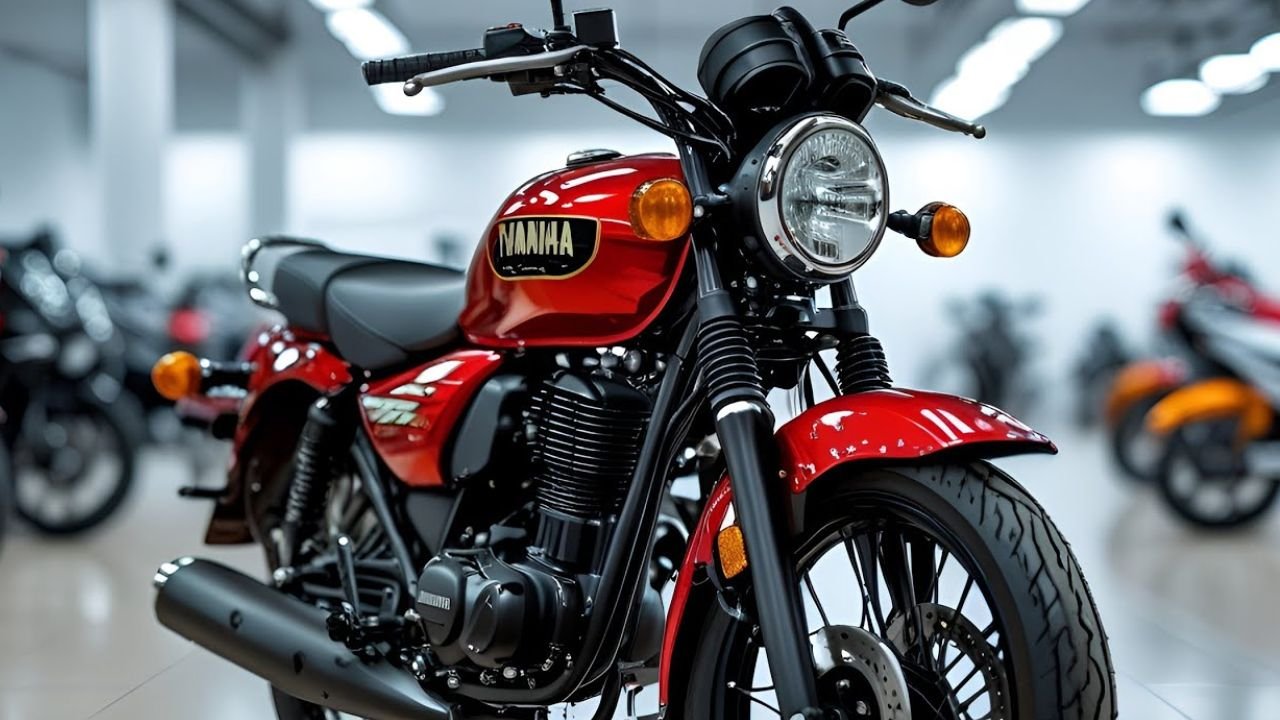
When it comes to iconic motorcycles in India, very few names shine as brightly as the Yamaha RX100. For riders of the 80s and 90s, this wasn’t just a two-wheeler—it was a passion, a lifestyle, and a dream that defined an entire generation. Even today, nearly three decades after its production was discontinued, the Yamaha RX100 continues to inspire unmatched loyalty and admiration. Its aggressive sound, lightweight handling, and thrilling acceleration have turned it into a cult legend that refuses to fade away.

In 2025, the Yamaha RX100 has made headlines again, sparking conversations about its legacy, potential revival, and its irreplaceable status in Indian biking culture. Let’s take a deep dive into its history, design, performance, and why it remains such an unforgettable motorcycle.
Yamaha RX100 – Key Highlights
| Feature | Details |
|---|---|
| Engine | 98cc, air-cooled, 2-stroke |
| Power | Around 11 HP |
| Gearbox | 4-speed manual |
| Weight | ~100 kg (lightweight) |
| Top Speed | Nearly 100 km/h |
| Brakes | Front & rear drum brakes |
| Fuel Efficiency | 25–30 km/l (original models), up to 50 kmpl with tuning |
| Suspension | Telescopic forks (front), Swingarm (rear) |
| Production Years | 1985–1996 |
| Legacy | Cult classic, loved for raw power, design, and engine sound |
Why Was the Yamaha RX100 So Popular?
The popularity of the Yamaha RX100 wasn’t accidental. It was a carefully designed motorcycle that perfectly matched the needs of young Indian riders in the late 20th century. At a time when most motorcycles focused only on mileage and practicality, the RX100 brought style, speed, and adrenaline into the equation.
Its 98cc two-stroke engine delivered explosive performance that could outpace competitors with larger engines. The legendary exhaust note of the Yamaha RX100 was instantly recognizable—sharp, aggressive, and thrilling. For young enthusiasts, the roar of the RX100 wasn’t just noise; it was music that defined freedom.
Equally important was its lightweight build. At just about 100 kg, it was extremely easy to handle in city traffic, yet powerful enough to dominate highways. Its sporty stance, muscular fuel tank, and chrome elements gave it a unique identity that stood out on Indian roads.
Key Features That Defined the Yamaha RX100
The Yamaha RX100 became a household name because of the balance it offered between performance and simplicity. Some of its key features included:
- Powerful Engine: The 98cc air-cooled, two-stroke engine churned out around 11 horsepower—an incredible figure in its segment.
- Quick Acceleration: The 4-speed gearbox was smooth and responsive, offering rapid acceleration compared to its rivals.
- Comfortable Ride: With telescopic forks in the front and swingarm suspension in the rear, the Yamaha RX100 managed to glide smoothly even on uneven Indian roads.
- Classic Design: Its sleek tank, chrome mudguards, round headlamp, and minimalist bodywork gave it a timeless look that still inspires retro motorcycle designs.
- Affordable Maintenance: The simple mechanics made it easy to repair and customize, encouraging enthusiasts to modify it for both style and racing.
Also Read – Hyundai Creta 2025 Powerful SUV, 36 KMPL Mileage, Dual Airbags & EMI ₹21,500/Month!
What Made the Yamaha RX100 a Cult Classic?
The Yamaha RX100 wasn’t just another motorcycle—it was a revolution. Riders who owned it in the 80s and 90s often describe it as their first love. Even today, bike enthusiasts proudly restore old RX100 models and showcase them at biking events.
Here’s why the RX100 became such a cult classic:
- Raw Power: Its two-stroke engine produced quick bursts of speed unmatched by other 100cc bikes.
- Unmistakable Sound: The signature exhaust note remains one of the most iconic sounds in Indian biking history.
- Racing Heritage: Many young riders modified the Yamaha RX100 for drag racing and street competitions, making it a racer’s favorite.
- Everlasting Design: Even after decades, its retro look appeals to modern bikers who love vintage charm.
Why Was the Yamaha RX100 Discontinued?
By the mid-1990s, stricter emission norms started shaping the future of two-wheelers in India. Since the Yamaha RX100 relied on a two-stroke engine, it struggled to meet these environmental regulations. Yamaha eventually discontinued the bike in 1996, marking the end of an era.
Although the RX100 was phased out, its demand never really died. Even today, thousands of enthusiasts search for used models to relive the magic of this legendary motorcycle.
Yamaha RX100 in the Used Bike Market
While the Yamaha RX100 is no longer available as a new motorcycle, its demand in the used bike market is astonishingly high. Restored models often sell for anywhere between ₹50,000 to ₹1,50,000, depending on condition, originality, and custom modifications. Some collectors even pay more for rare editions or bikes in mint condition.
Spare parts have become harder to find, but many workshops across India specialize in restoring the RX100, ensuring that this legend continues to rule the roads.

Yamaha RX100 for Daily Use – Is It Practical Today?
The Yamaha RX100 was designed for the 80s and 90s, but many enthusiasts still use it for daily commuting. With proper care and regular maintenance, it can still be a reliable city bike. However, compared to modern four-stroke motorcycles, its fuel efficiency is lower, and parts availability can be a challenge.

That being said, riding an RX100 today is more about passion than practicality. For those who love its charm, the joy of riding one outweighs any limitations.
Yamaha RX100 vs. Modern Bikes
When compared to today’s commuter motorcycles, the Yamaha RX100 still holds its ground in terms of style and thrill. While modern bikes focus on mileage, safety features, and digital technology, the RX100 reminds us of an era where riding was about pure adrenaline and freedom.
For younger riders who grew up hearing stories about this legendary bike, riding a Yamaha RX100 is like experiencing a piece of history.
Frequently Asked Questions (FAQs)
Q1. Why was the Yamaha RX100 discontinued?
It was discontinued in 1996 due to stricter emission norms, as its two-stroke engine could not comply with new environmental standards.
Q2. Can I still buy a Yamaha RX100?
Yes, but only in the used market. Prices vary depending on condition and restoration.
Q3. How much mileage does the Yamaha RX100 offer?
Originally, it offered around 25–30 kmpl. With proper tuning, some restored versions can deliver up to 50 kmpl.
Q4. Is the Yamaha RX100 good for daily commuting today?
Yes, but spare parts are scarce, and fuel efficiency is lower than modern commuter bikes. It’s more suited for passionate riders than cost-conscious commuters.

Q5. Why is the Yamaha RX100 considered a cult classic?
Because of its unique combination of raw power, lightweight handling, stylish design, and iconic exhaust sound.
Conclusion – The Everlasting Legend of Yamaha RX100
The Yamaha RX100 was never just about transportation—it was about freedom, thrill, and pride of ownership. For many riders, it represented their youth, their passion for speed, and their love for the open road. Even decades after its discontinuation, it remains one of the most loved motorcycles in India, proving that true legends never die.
Today, whether you’re an old-school rider restoring a classic or a youngster experiencing it for the first time, the Yamaha RX100 guarantees one thing—an unforgettable ride. Its return in conversations and restoration circles shows that the RX100 is not just a motorcycle but an emotion that continues to play its drum in the hearts of millions.
Some Important Link
| Download News APP | Click Here |
| WhatsApp Group | Click Here |
| Home Page | Click Here |